
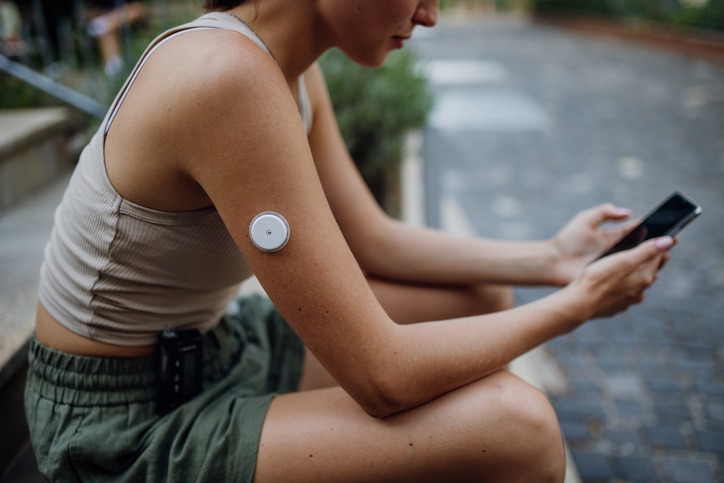
An article written by our lovely client Meredith Dunn breaking down the complexities of using a Continuous Glucose Monitor
The What, Why and How of Continuous Glucose Monitors
A continuous glucose monitor gives a real-time window into your metabolism. For anyone curious about energy, cravings, weight, and long-term health, it can be an insightful tool.
APR 09, 2026
Metabolic health is a consistent undercurrent in the conversations about longevity, energy and disease prevention. The outcomes of failing metabolism have become all too common - rising rates of type 2 diabetes, cardiovascular disease and fatigue are so familiar they’re often mistaken for being normal. What gets less attention is the early signals of metabolic imbalance; the subtle elevations and patterns that precede those outcomes by years, sometimes decades.
Chronic conditions like type 2 diabetes and cardiovascular disease are not sudden events. They are the result of metabolic changes occurring 10 to 20 years prior to clinical diagnosis.1
CGMs were originally designed for people with diabetes, and in 2024 became available over the counter for those seeking to improve overall health and wellness. They can assist users in comprehending the real time effects of various eating habits, exercise, sleep and stress on blood sugar levels. CGMs are an effective tool for curious people to get insight into what’s actually happening inside their body, allowing them to take steps towards health before they reach the point of disease.
Thanks for reading! Subscribe for free to receive new posts and support my work.
Subscribe
The Basics: How Blood Sugar Works
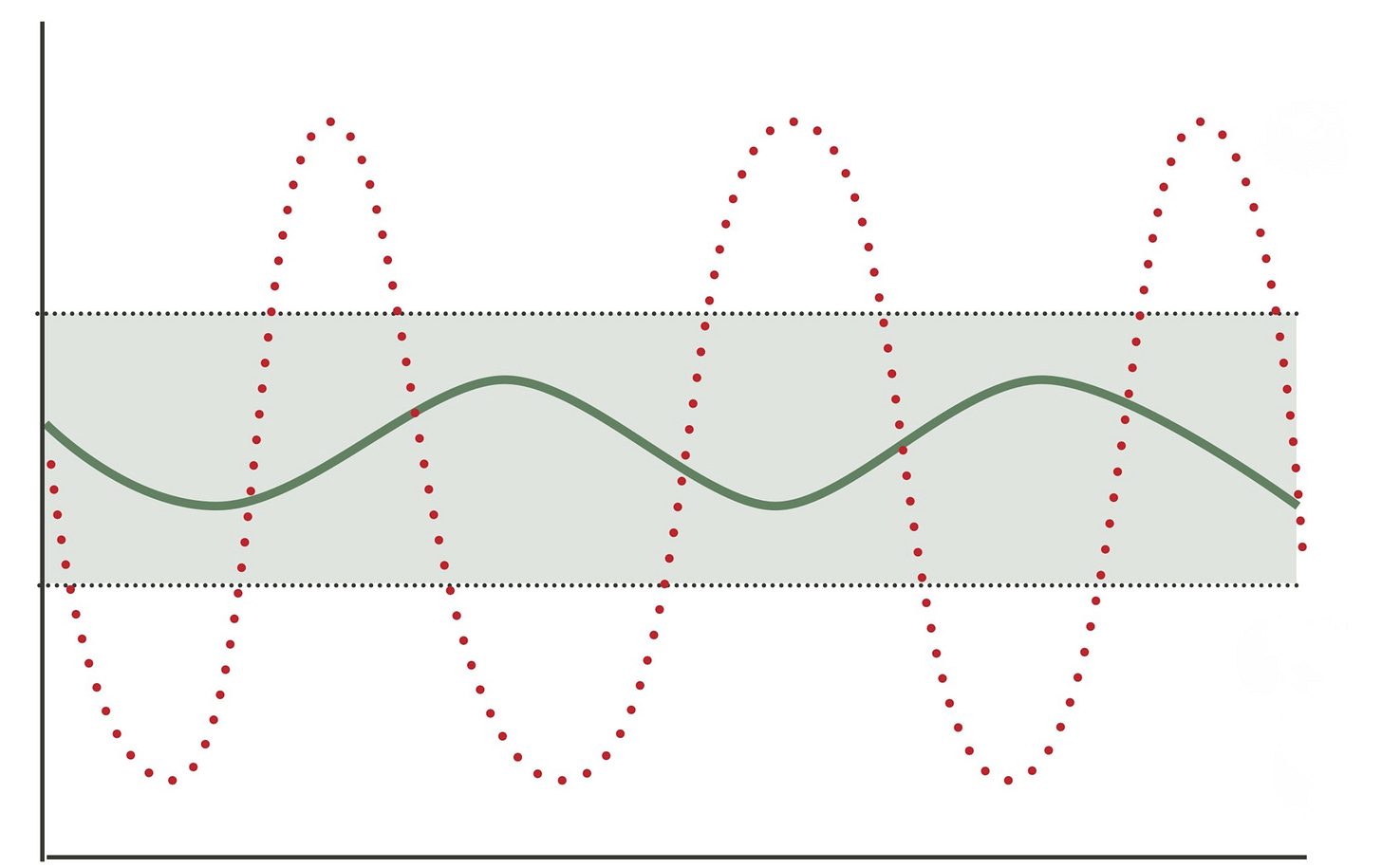
Every time you eat carbohydrates - whether a bowl of pasta or a piece of fruit - your digestive system breaks the carbs down into glucose which enters your bloodstream. In response, your pancreas releases insulin, a hormone that helps shuttle glucose into cells for energy and storage. In a system functioning well, this process is smooth and self-correcting. Blood sugar rises gently after a meal, peaks, and returns to baseline within a couple of hours. But when meals are large, highly processed, or paired with stress and poor sleep, glucose can spike dramatically - followed by a sharp drop.
While these peaks and valleys can affect energy levels, the real story is much deeper. Over time, repeated blood sugar spikes drive higher insulin output, promote fat storage, increase systemic inflammation, and gradually strain the pancreas. This is the slow road to insulin resistance, a condition where cells stop responding properly to insulin, causing elevated blood glucose which can lead to type 2 diabetes, cardiovascular disease, PCOS and cognitive decline2.
Most people know blood sugar drives diabetes; fewer realize it also drives cardiovascular disease. Elevated blood glucose damages the inner lining of blood vessels, triggering inflammation and oxidative stress. Over time, that damage allows cholesterol to accumulate in artery walls, accelerating atherosclerosis and raising the risk of heart attack, stroke, and other cardiovascular disease.
What a CGM Actually Shows You
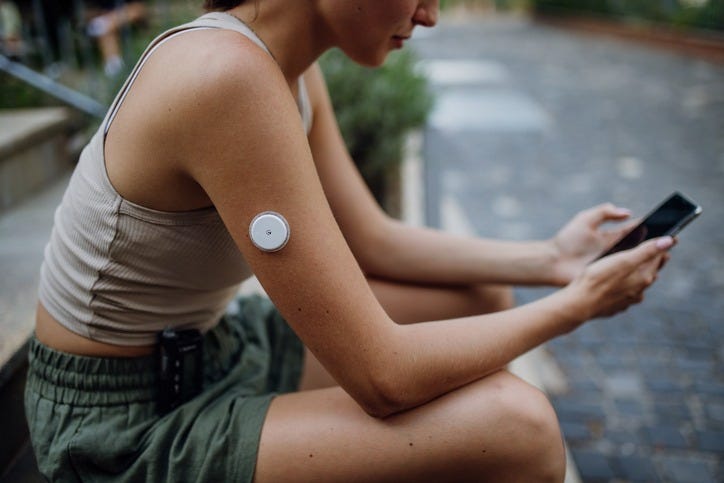
A CGM is a small biosensor, typically worn on the back of the upper arm, that measures glucose levels in your interstitial fluid every few minutes and sends the data wirelessly to your phone. You get a real-time graph of your glucose curve throughout the entire day and night.
Standard lab work includes a fasting glucose blood test once a year, and perhaps HbA1c (a 3-month average). These tests are useful, but they are static snapshots and can miss important information. You could have a normal fasting glucose while experiencing dramatic daily spikes that aren’t captured by that single number. The data from a CGM reveals the whole picture.
Research has shown that higher post-meal blood sugar levels are a stronger predictor of cardiovascular disease and metabolic dysfunction than fasting glucose - particularly in women3. A CGM can reveal these patterns that are otherwise invisible.
Often people assume that as long as they don’t have a diagnosis of diabetes, their blood sugar is fine. But glucose regulation doesn’t stop suddenly, it fails gradually. Subtle impairments, like larger spikes, slower recovery, or higher fasting levels, develop years before a formal diagnosis. This steady slide is referred to as insulin resistance, and it can be reversed with diet and lifestyle changes. One of the primary benefits of a CGM is discovering the personal changes that can reverse that slide, and halt the trajectory to chronic disease.
Practical Things You’ll Likely Learn
Wearing a CGM is a bit like getting a decoder ring for the signals your body shows. Things that seemed arbitrary - a muffin and latte leave you tired and hungry two hours after eating; a mid-afternoon slump has you nodding at your desk; a heavy, late dinner makes sleep elusive - can now be explained by visible data.
Here are some of the most common and actionable insights clients report:
Food order makes a difference. Starting a meal with vegetables can reduce the glucose spike of that meal by up to 73%4. This simple reordering - no foods removed, just eating veggies first - can flatten spikes significantly. The reasons are twofold: fiber creates a protective mesh, slowing the glucose from starch and sugars as it reaches your bloodstream, and fiber slows gastric emptying.
Liquid carbohydrates spike more dramatically. Juice and sweetened drinks - even ‘healthy’ ones like coconut water or kombucha - can spike blood sugar faster and higher than whole foods, because the fiber that slows digestion has been broken down or removed. Seeing this on a CGM is usually more persuasive than reading about it.
Sleep and stress are not benign. After a poor night’s sleep, many people see higher post-meal spikes and slower returns to baseline the following day. This is partly because sleep deprivation elevates cortisol and reduces insulin sensitivity. And stress can elevate glucose independent of food intake, again from cortisol and adrenaline elevation. A CGM can elucidate these connections.
There are no universal ‘healthy’ foods. Many foods with a ‘health halo’ can actually produce significant spikes depending on the individual. Oats may send your blood sugar soaring. Grapes could cause glucose to skyrocket. The same meal can produce very different responses in different people 5.
Why Data Is Helpful
One of the most powerful aspects of a CGM is behavioral. Nutrition advice can feel abstract and distant, like the adult voice in Charlie Brown: eat more protein and fiber, skip the sugar sweetened beverages, go for a walk after dinner. A CGM reveals the biological implications of your choices, increasing the learning curve. You tangibly see the ‘why’ behind the nutrition advice, encouraging compliance.
Is a CGM for Me?
CGMs cost from $49 - $150 for a two week sensor and they’re not necessarily for everyone. Like any health data tool, they carry the risk of creating anxiety if not used with the right framing. Focus on the big picture, not the precise digits, and you can learn valuable lessons about achieving optimal metabolic health.
Wearing a CGM can be an illuminating health exercise. However it’s best to have a plan. Simply applying the sensor and observing may not provide the data in a format that’s actionable.
Below are some tips and ‘experiments’ to test your response to foods and habits. Recording information in the app with notes on food, sleep and exercise can help connect the dots on inputs and your body’s response.
How to Make the Most of Your CGM
After applying the sensor and connecting to your phone, you’ll start seeing your glucose data within an hour.
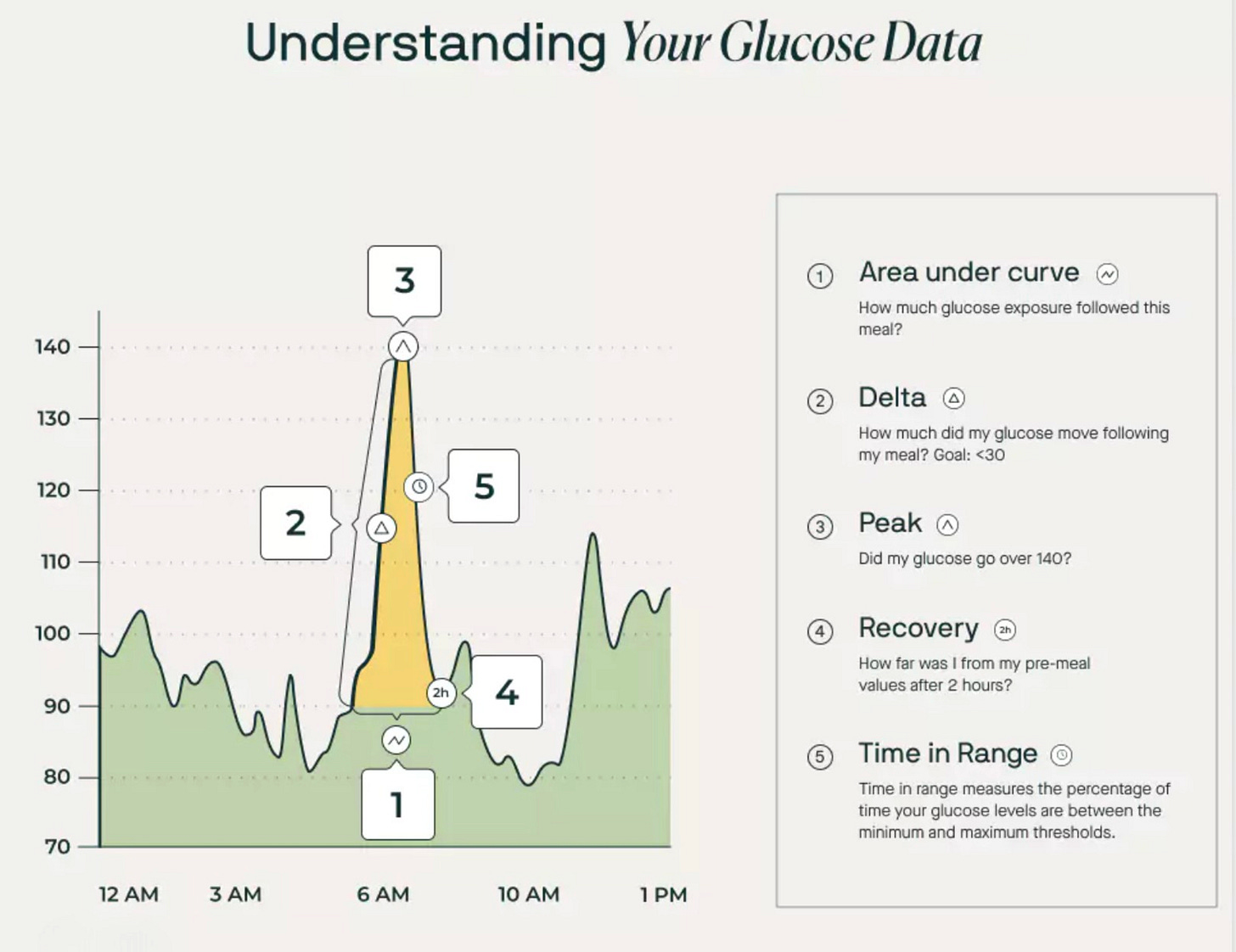
Set your target range to 70 - 140 mg/dL if you do not have diabetes.
Your glucose data provides two types of results:
Big picture numbers, help you understand the long term impact of your lifestyle choices. Occasional out-of-target range glucose levels will have minimal impact on your long term metrics. Stick to your good habits when you can, so you don’t have to worry for the occasional splurge or uncontrollable situation.
Time in Range (TIR) is the percent of time your glucose stays within your target range. Aim for a TIR of 90% or greater. This is often considered the most important number .
Some sensors may have a proprietary method of calculating similar numbers, such as a Count.
Snapshots are real time numbers in your app. These numbers provide an idea of how you are reacting to specific foods, exercise, sleep or stress. For example they might help you identify that your daily breakfast choice is consistently causing elevated glucose and may need to be replaced with an alternative higher in protein, fiber and fat.
After-meal glucose is your level after eating. Aim to have it less than 30 mg/dL above your fasting level, or peak post-meal glucose less than 140 mg/dL. During experiments you can check at 1 hour and 2 hours to monitor.
Fasting morning glucose indicates your levels upon waking, typically 8 hours or more from last food or drink. In general fasting glucose will fall between 70 - 99 mg/dL.
Remember: take your snapshot numbers with a grain of salt. If your big picture numbers are in range, you don’t have to be worried about mildly elevated values out of range.
Suggested timing and approach
Run one experiment at a time, repeat when possible, and pair CGM data with how you feel - energy, hunger, and focus. The goal is to use data to guide sustainable, personalized changes.
Week 1
Follow your normal eating and sleeping patterns and simply observe. Don’t try to manipulate curves, but watch over several days to identify areas for potential improvement.
Week 2
Choose an experiment with meal composition or order & timing (1 or 2 below). Log food in the app and note glucose right before meal/at first bite. Check glucose hourly until it returns to pre-meal level - use a timer to check at 1 hr, 2 hr. Observe how high above baseline it goes, and how long to come back.
Week 3
Continue with above, or begin experiments with movement, sleep and stress (3 or 4 below). Note where and how you see improvements.
Week 4
Continue experiments with movement, sleep and stress. Note where and how you see improvements.
Use the Following Experiments
Experiment 1: Meal Composition
1. Compare carbs alone vs. carbs with protein, fat and fiber
2. Test breakfast: high-carb vs. protein, fiber and fat; test over 3 days
Experiment 2: Meal Order & Timing
1. Test starting a meal with vegetables, then protein, then carbs vs. carbs first
2. Test the same meal at breakfast vs. at dinner
3. Compare early vs. late dinners
Experiment 3: Movement
1. Compare meal without exercise vs. take a 10 - 15 minute walk after meals
2. Compare exercise before vs. after eating
Experiment 4: Stress & Sleep
1. Compare calm vs. stressed meals
2. Observe glucose after good nights rest vs. poor sleep
Remember not to obsess over individual incidents, instead focus on patterns. Numbers should guide and motivate you. Be curious and aim for progress, not perfection.
Questions about blood sugar balance, CGMs, or where to start? Hit reply - I read every message. And if this resonated with someone you know, please feel free to share it with them.
Share Meredith Dunn | Simple Beautiful Nutrition
Disclaimer: This article is for informational purposes only. Do not use any of this material to substitute for professional medical advice, diagnoses, or treatment.
Subscribe to Meredith Dunn | Simple Beautiful Nutrition
Launched a year ago